How to Integration of Google Sheets-Asana bundle using Zapier?
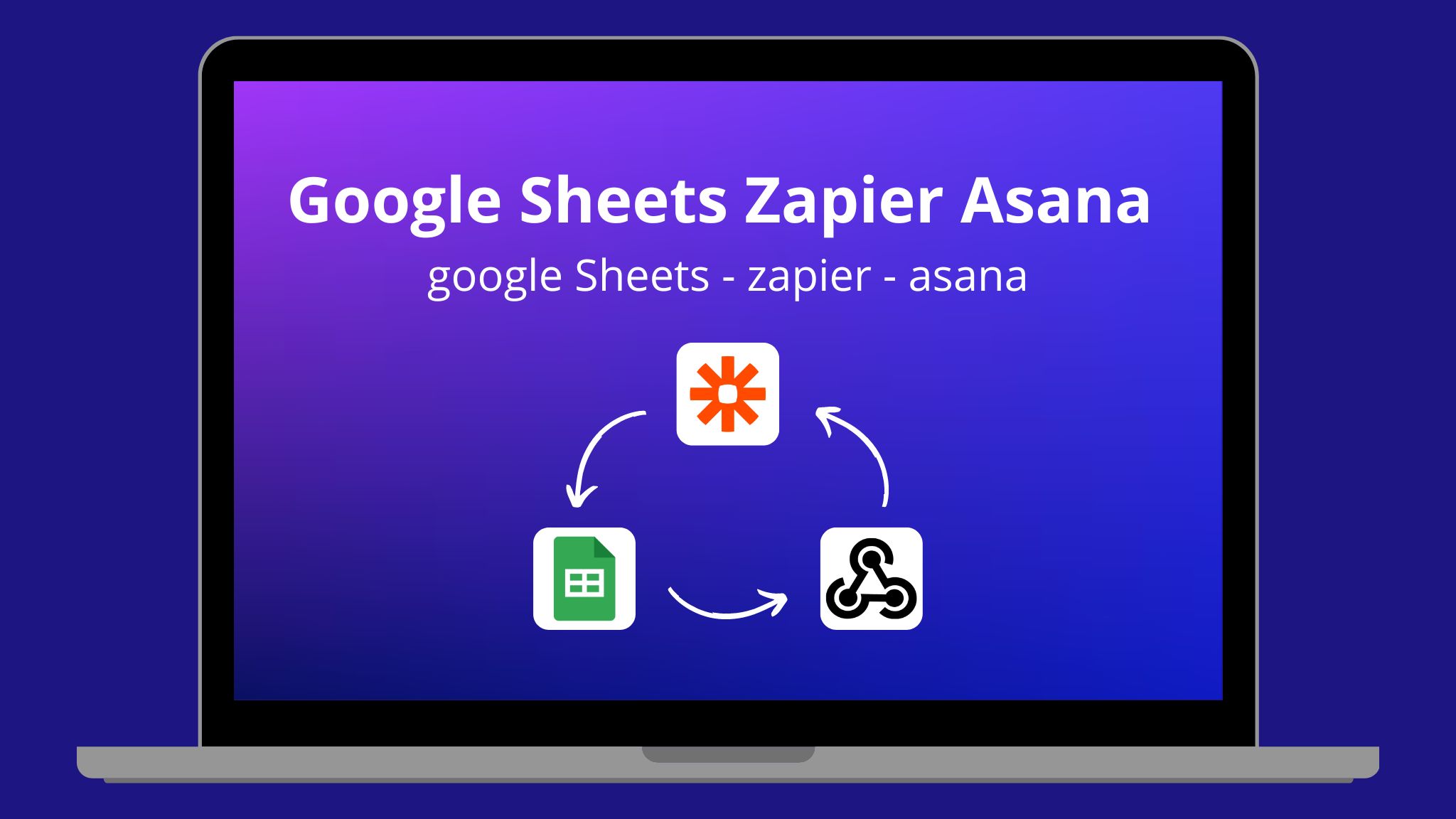
Create tasks in Asana instantly through Zapier by simply adding rows to Google Sheets. Learn how to easily customize this integration and speed up your team’s work.
Creating a new task in Asana when a new row is added in Google Sheets
How the integration works:
- A new row is created in a specific Google Sheets sheet;
- Zapier creates a new task in Asana.
Creating a Zap:
- While on the “Home” tab, click the “Create” button:

2. Select “Zaps” from the dropdown menu.

Setting up the trigger event:
3. Choose the trigger event. This event, happening in the trigger application, signals Zapier to start the Zap.

4. Select the trigger event service.

5. From the dropdown list, select “New Spreadsheet Row” and click “Continue.” The trigger will activate when a new row appears in the table.

6. Next, specify the “Google Sheets” account and click the “Continue” button.

7. Then, specify the settings for the trigger by indicating the name of the table and sheet, and click the “Continue” button.

8. Test the trigger by clicking the “Test trigger” button.

9. The system will find a record and display all the available information. Click the “Continue with selected record” button.

Here is how the data sent in the Google Sheet looks:

Setting up the action in the “Asana” service:
10. Choose the action service.

11. In the next window, specify the action to be performed when a new row appears. From the dropdown list, select “Create Task” and click “Continue.”

12. Next, specify the “Asana” account and click the “Continue” button.

13. Set up the connection between “Google Sheets” and “Asana.” Fill in the required fields and the fields where data should be imported, substituting variables from the dropdown list. After filling in all necessary fields, click the “Continue” button.

14. Test the “Google Sheets” – “Asana” connection.

15. Test data is sent to “Asana.”

16. Verify the test data in the “Asana” application.

17. After a successful test, click the “Publish” button.

18. The Zap is created, configured, and activated.